
How does an air compressor work?
Are you curious about the inner workings of an air compressor? Wondering how this powerful machine can generate compressed air for a wide range of…
2023-08-23
How does an air compressor work?
Introduction
Are you curious about the inner workings of an air compressor? Wondering how this powerful machine can generate compressed air for a wide range of applications? Look no further! In this blog post, we’ll delve into the fascinating world of air compressors and uncover the secrets behind their impressive functionality. Whether you’re an industrial professional or someone with a thirst for knowledge, get ready to embark on a journey that will demystify how these handy devices work. So please sit back, relax, and let’s dive into the basics of an air compressor!
The Basics of an Air Compressor
An air compressor is a versatile and powerful tool used in various industries, from construction to manufacturing. But have you ever wondered how it works? Let’s dive into the basics of an air compressor and uncover its inner workings.
At its core, an air compressor is a machine that converts power into potential energy stored in compressed air. It pulls atmospheric air through an intake valve and compresses it using a piston or rotating impeller. This compression process increases the pressure of the air, allowing it to be used for a wide range of applications.
One crucial component of an air compressor is the motor or engine that provides the power needed to drive the compression mechanism. The most common types are electric motors and gasoline engines, each with its advantages depending on the intended use.
Next, we have the compression chamber where all the magic happens. In reciprocating or piston-type compressors, a piston moves up and down inside a cylinder to compress the air. As the piston moves downward, it pulls atmospheric air through an intake valve in one stroke. On another stroke, as it moves upward again, it compresses this trapped volume of gas before pushing it out through a discharge valve.
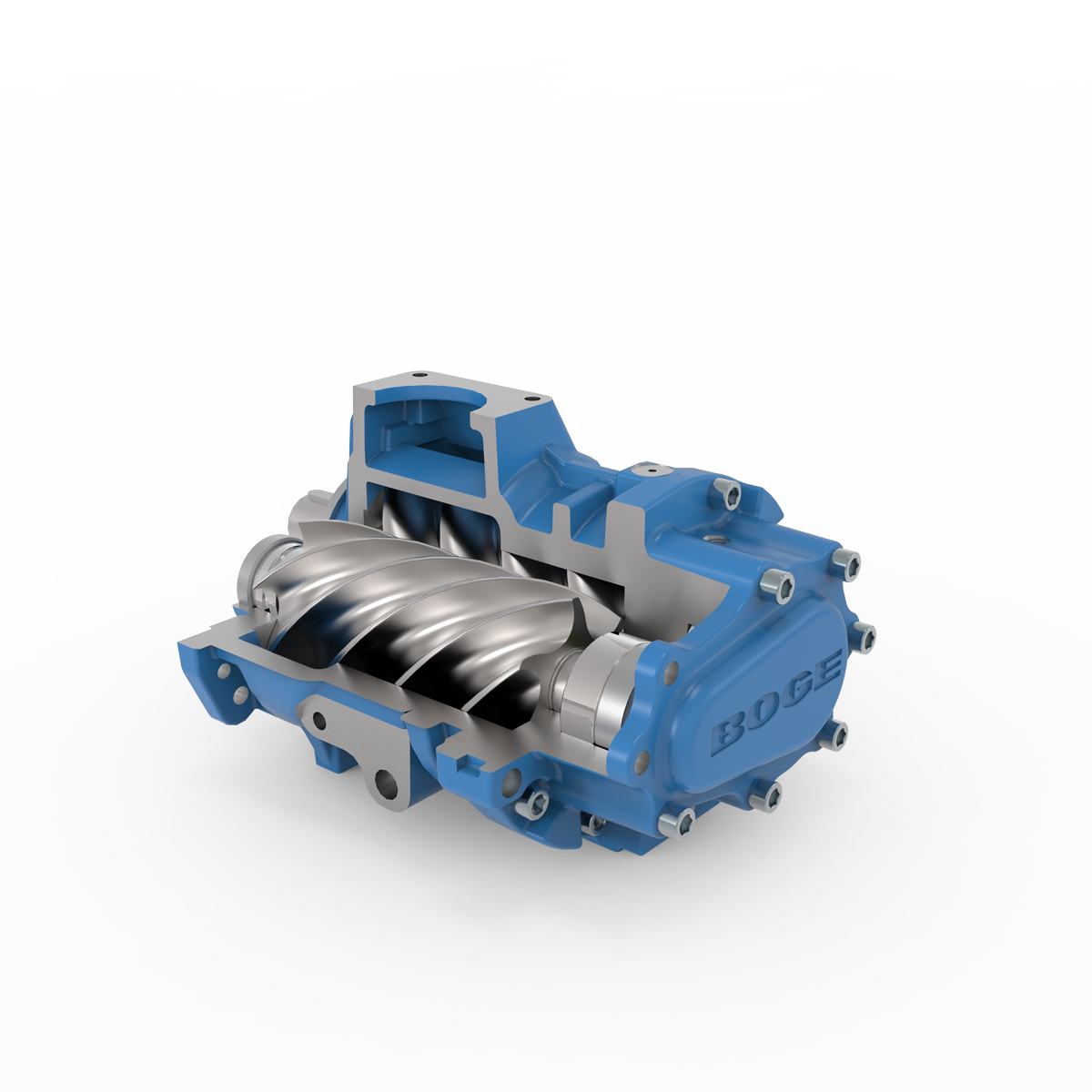
Rotary screw compressors work differently but achieve similar results. They use two interlocking helical rotors that trap and squeeze incoming air between them while simultaneously reducing their volume.
To ensure smooth operation and efficiency, most modern compressors incorporate additional components such as cooling systems (to prevent overheating) and filtration systems (to remove contaminants from compressed air). These supplementary features contribute to both performance optimization and equipment longevity.
Understanding how an air compressor works involves grasping concepts like compression chambers driven by motors or engines that increase pressure by decreasing volume within specific mechanisms like pistons or screws! By harnessing these principles effectively alongside auxiliary systems for cooling and filtration needs!
The Different Types of Air Compressors
When it comes to air compressors, there are several different types available on the market today. Each class has unique features and benefits, making choosing the right one for your needs essential.
One common type of air compressor is the reciprocating or piston compressor. This type uses a piston and cylinder arrangement to compress air. It is often used in small workshops or garages where a smaller amount of compressed air is needed.
Another type is the rotary screw compressor, which uses two interlocking screws to compress air. This type is common in industrial settings requiring large amounts of compressed air.
For those who need portable compressed air, a portable or mobile compressor may be the best choice. These compact units can easily be transported from job site to job site and are great for contractors or construction workers on the go.
If you require oil-free compressed air, an oil-free compressor may be ideal. These compressors use unique materials and coatings to eliminate potential contamination from lubricants.
There are centrifugal compressors that use spinning impellers to increase airflow velocity before compression occurs. They are typically used in large-scale applications such as power plants or manufacturing facilities.
Choosing the correct type of air compressor depends on factors such as your specific application requirements, budget, and available space. Consulting with an expert can help you select the most suitable option.
How to Choose the Right Air Compressor
When choosing the most suitable air compressor for your needs, there are several factors to consider. First and foremost, you must determine the type of work you will use the air compressor for. Different compressors are designed for specific tasks, so choosing one that matches your requirements is essential.
Next, consider the power source of the air compressor. Some models run on electricity, while others require gasoline or diesel fuel. Consider where and how you will use the compressor and select a power source accordingly.
Another critical factor is the size and portability of the air compressor. If you plan on moving it around frequently or working in tight spaces, a smaller, more lightweight model would be ideal. However, a larger unit may be suitable if you have a dedicated workspace with plenty of room.
Consider the tank size as well. A larger tank allows for extended continuous use before refilling or recharging. However, larger tanks also mean increased weight and potentially higher costs.
Think about noise levels and maintenance requirements when choosing an air compressor. Some models are quieter than others and require less frequent servicing.
By considering these factors carefully before making a decision, you can ensure that you choose an air compressor that meets your specific needs!
Conclusion
Understanding how an air compressor works is essential for anyone who relies on compressed air for various tasks. Whether you’re a DIY enthusiast, a professional contractor, or someone who wants to know how things operate, knowing air compressors can be beneficial.
In this article, we have explored the basics of an air compressor and discussed the different types available in the market. Each class has unique features and applications, from reciprocating to rotary screw compressors. By understanding their differences, you can choose the right one that suits your needs.
Factors such as power source, tank size, and airflow requirements should be considered when selecting an air compressor. Assessing your specific needs and evaluating these criteria before purchasing is crucial. This will ensure an efficient machine that meets your demands without unnecessary extra costs.
Remember that maintenance plays a vital role in prolonging the lifespan of your air compressor. Regular inspection of filters and oil levels is necessary to keep it running smoothly and avoid any potential damages or breakdowns.
So next time you see an air compressor at work or think about getting one yourself, you’ll better understand how it operates and which type best suits your needs. With this newfound knowledge, you can make informed decisions about purchasing and maintaining your air compressor equipment.
In conclusion (oops!), learning about the inner workings of an air compressor proves valuable from a technical and practical standpoint. So go ahead – dive deeper into this fascinating world of compressed-air technology!
Compressed Air Expertise You Can Rely On.
Talk to our engineers about supply, installation, servicing or a full system review.